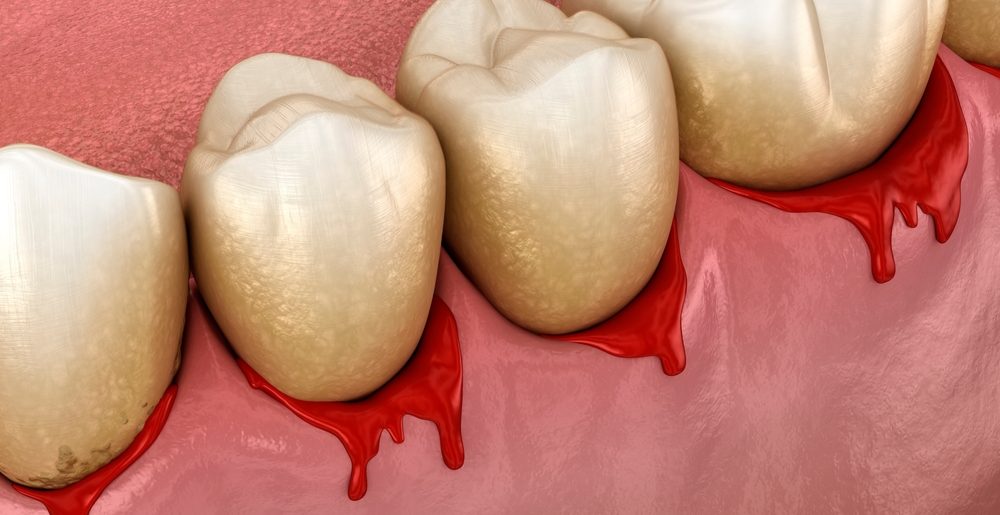
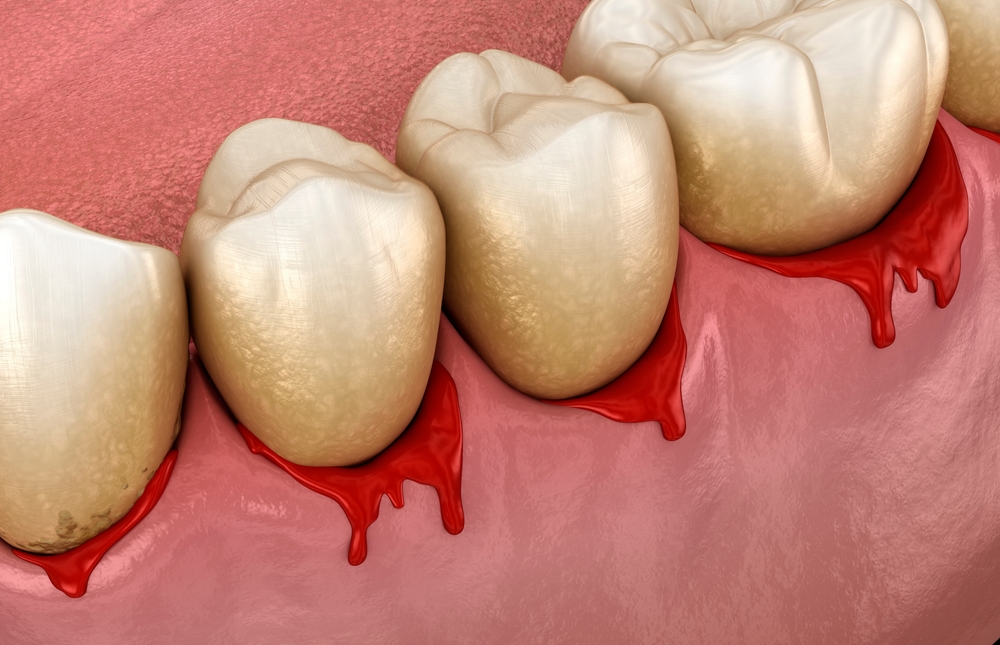
Bleeding Gums
Your gums shouldn’t bleed — not even a little. If they do, it may be an early clue that your gums aren’t as healthy as they should be. The trouble is, most people ignore bleeding gums until they turn into something painful, swollen, or serious. Before you panic or brush it off, our Emergency Dentist Brisbane can help you understand if your bleeding gums are a real dental emergency — or just a gentle warning sign.
When Bleeding Gums Are an Emergency
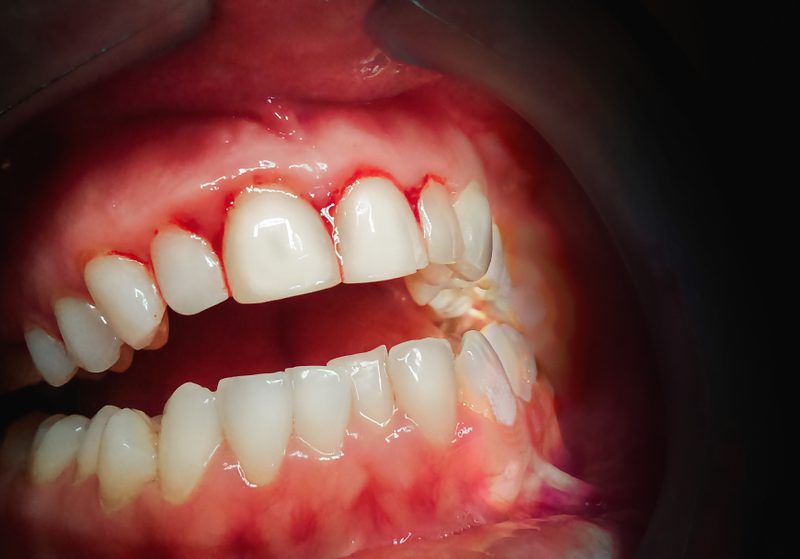
While mild bleeding often settles on its own, some situations call for immediate care. If you notice any of the following, don’t wait to book an emergency dental appointment:
Heavy Bleeding That Doesn’t Stop
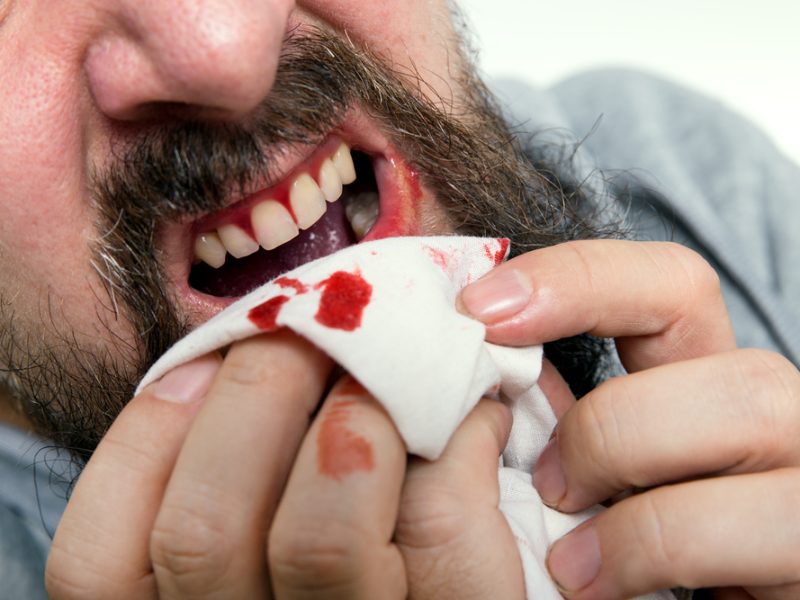
If your gums keep bleeding after you’ve applied pressure for several minutes, that’s not normal. It could be a sign of a deeper problem, such as infection or tissue injury. Continuous bleeding can also make it hard to eat, sleep, or feel comfortable. In this case, it’s safest to see an experienced dentist in Brisbane as soon as possible.
Bleeding With Swelling or Pain
Swelling and pain, together with bleeding, often point to an infection that’s starting to spread. You may notice that your cheek feels puffy or tender to the touch. Even if the pain seems mild, it can worsen quickly if bacteria are trapped under the gums. Getting treatment early can stop the infection before it causes more damage or discomfort.
Bleeding After Injury or Dental Work
A fall, sports knock, or recent dental procedure can leave the gums sore or open. If bleeding doesn’t ease after a short while, the area might need stitches or extra care. Avoid rinsing or spitting forcefully, and keep gentle pressure on the site. Call your dentist so they can check that everything is healing as it should.
Children are especially prone to knocks and playground bumps, so if it happens to your child, Dr Soha Sharif, our kids’ dentist in Brisbane, can check your child’s mouth to make sure the gums and teeth are stable, the roots aren’t damaged, and everything is healing as it should.
Fever or Bad Taste in the Mouth
A fever or a persistent bad taste often means infection. You may also notice your breath smells unpleasant or food tastes off. According to Dr Roya, a dentist in Perth, these signs mean bacteria are active under the gums and need to be cleaned out by a dentist. Don’t ignore them—gum infections can spread and make you feel unwell.
On Blood Thinners or Clotting Problems
If you take medications like warfarin or have a condition that affects blood clotting, even small gum bleeding deserves attention. It can take longer for bleeding to stop, and you may lose more blood than expected. Let your dentist know about any medications you take before treatment. They can coordinate care with your GP to keep you safe.
Common Everyday Causes of Bleeding Gums
If your gums bleed now and then, you don’t need to jump to worst-case thoughts. Small things — like brushing too hard or skipping flossing — often trigger it. In most cases, it’s minor and easy to correct. Understanding the everyday causes helps everyone in the family build better habits.
Plaque Build-Up and Gingivitis
Plaque is the sticky film that sneaks in when brushing gets a bit lazy. It’s soft at first, but once it hardens into tartar, it starts to annoy your gums and make them bleed. Gingivitis, the early stage of gum disease, usually follows. A proper clean and better brushing habits can usually turn it around.
Brushing Too Hard or Using a Stiff Toothbrush
A lot of people believe the harder you brush, the cleaner your teeth get — but gums don’t agree. Scrubbing too firmly or using a brush with stiff bristles can actually scrape and irritate them. Try switching to a soft-bristled brush and use gentle, small movements when brushing. You’ll still get your teeth clean without making your gums sore.
Starting Flossing Again After a Break
If you’ve skipped flossing for a while and then decide to get back into it, a little bleeding is common at first. Your gums just aren’t used to the contact yet. Keep at it gently each day, and within a week or two, the bleeding usually disappears. Consistency really does make a difference here.
Hormonal Changes (Especially During Pregnancy)
Pregnancy hormones can make gums a little more sensitive and prone to bleeding, even if your brushing hasn’t changed. It’s not dangerous, but it’s worth keeping an eye on. A gentle routine and regular dental checks help keep things calm. If anything feels off, a visit to your dentist can ease your mind.
Poorly Fitting Dental Appliances or Braces
Braces, retainers, or even dentures that rub the wrong way can cause tiny cuts that bleed easily. If you notice sore spots or your gums bleed where something presses, don’t ignore it. A small adjustment by your dentist or orthodontist can stop the irritation and make your mouth much more comfortable.
For children or teens with braces, our Brisbane Paediatric Dentist can check that everything fits comfortably as their teeth and jaws grow.
Vitamin C Deficiency or Dry Mouth
Your gums need vitamin C to stay strong and heal properly, so if your diet’s been short on fruit or veggies, they might start bleeding more easily. Dry mouth can add to the problem — saliva helps protect your gums, and without enough of it, they get irritated faster. Drinking more water and eating fresh foods can help restore balance.
Smoking or Vaping
Smoking and vaping can dry out your mouth and reduce blood flow to your gums, which makes them weaker and slower to heal. You might not even notice bleeding at first because nicotine hides the early signs of inflammation. Cutting back or quitting altogether is one of the best things you can do for your gums — and the rest of your body, too.
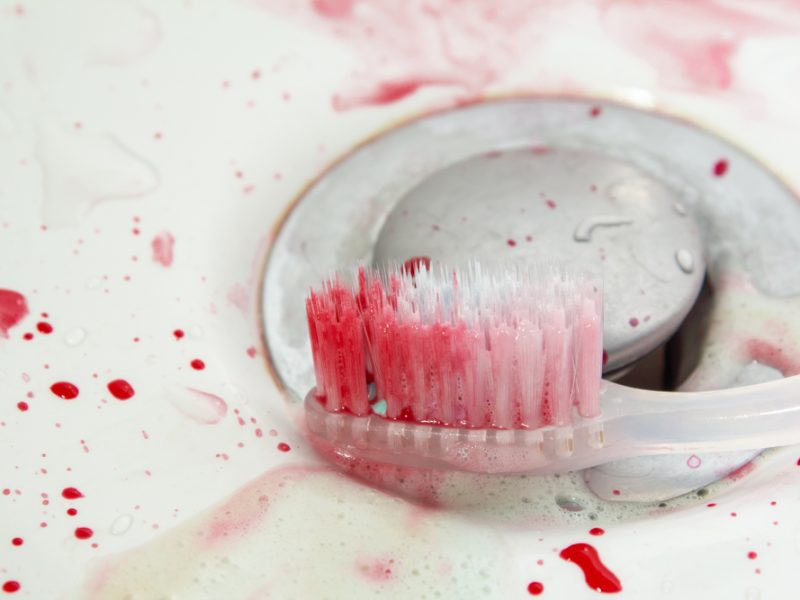
At-Home Care for Bleeding Gums
There are a few things you can do at home to control bleeding until you see your dentist. These steps can help keep the area calm and clean while you wait for a proper check-up, so your dentist can find out what’s causing it and treat it safely.
- Apply clean, gentle pressure for 20–30 minutes
- Use a cool compress for comfort
- Avoid rinsing or poking the area
- Keep your head slightly raised if swollen
If the bleeding doesn’t slow after a few days, keeps coming back, or happens with pain, swelling, or a bad taste, stop home care and make an appointment. Ongoing bleeding may mean there’s an infection or gum disease that needs professional attention.

How Your Dentist Finds the Cause
Our dentists don’t just look at the surface — they investigate what’s happening underneath. Every mouth tells a slightly different story, so your dentist pieces together clues to find out why your gums are reacting and what will help them heal.
Visual Gum Check and Pocket Measurements
We will start with a close look at your gums — checking for redness, swelling, or areas that bleed easily. We’ll use a small measuring tool to see how deep the space is between your teeth and gums. Healthy gums usually have shallow pockets, but deeper ones can point to gum disease or infection starting below the surface.
X-rays If Bone Loss Suspected
If we think the bone around your teeth might be affected, we’ll take X-rays. This helps us see whether the bone is thinning or if there’s hidden tartar under your gums. X-rays show the bigger picture, helping us plan treatment that goes beyond what’s visible in the mirror.
Review of Brushing and Flossing Technique
Sometimes the cause is simply how you clean your teeth. Our dentists may ask you to show how you brush or floss, then point out small changes that could stop the bleeding — like using a softer brush or a different angle.
Checking Restorations, Braces, or Dentures
Crowns, fillings, braces, or dentures that don’t fit quite right can irritate your gums and trap food. Our dentist will check whether anything is rubbing or pressing too hard on the gumline. Sometimes, small adjustments can help keep the area clean and comfortable.
Medical History and Medication Review
Some health conditions or medications can make gums bleed more easily. We will ask about your general health, any prescriptions, or supplements you take to help us spot connections. For example, blood thinners or hormonal changes — so your treatment plan fits your whole health picture, not just your teeth.
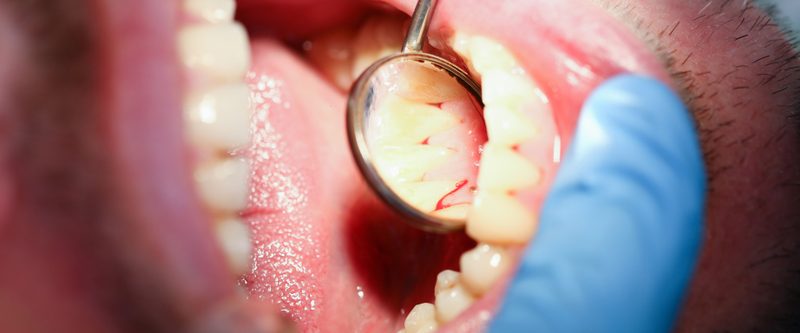
Our Treatment Options for Bleeding Gums
Once we know what’s behind the bleeding, treatment usually starts with simple steps:
Professional Clean for Gingivitis
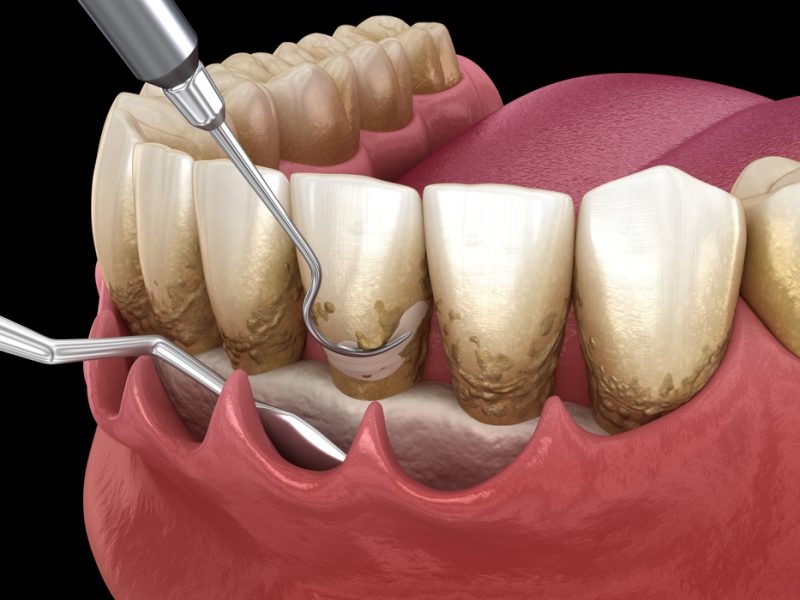
If the bleeding is from early gum inflammation, a professional clean is often all it takes. Our dentists will gently remove plaque and tartar from around your teeth and just under the gumline. This gives your gums a fresh start so they can heal naturally. Most of our patients tell us that their mouth feels lighter and cleaner after a professional teeth cleaning.
Deep Cleaning for Gum Disease
When gum disease has gone deeper, we may recommend a deep clean, sometimes called scaling and root planing. It reaches under the gums to clear out bacteria and smooth the root surfaces so they can reattach. You might feel a little tender afterward, but the improvement in gum health is usually worth it.
Adjusting Fillings, Braces, or Dentures
If something in your mouth is rubbing or trapping food — like a rough filling or a brace wire — our dentists will adjust it. Even small changes can stop irritation that keeps your gums inflamed.
Treating Ulcers, Infections, or Trauma
Sometimes the bleeding comes from an ulcer, a mouth sore, or a minor injury. We will clean the area, rule out infection, and prescribe medicated gels or rinses if needed. These treatments help the tissue heal faster and reduce pain while you recover.
Referral to Periodontist or GP When Needed
If your gums don’t respond to routine care or the bleeding is linked to a health condition, our dentists may refer you to a periodontist or your GP. Periodontists specialise in advanced gum disease, while your GP can check for medical causes such as hormone changes or medication effects.
What Happens If You Ignore Bleeding Gums
Bleeding gums may seem harmless at first, but leaving them alone can quietly snowball into bigger problems. What starts as mild gingivitis — a bit of tenderness or pink in the sink — can progress to periodontitis, where the bone holding your teeth begins to wear away. Over time, that can lead to loose teeth or even tooth loss. Gum disease also puts extra stress on your body, especially if you have conditions like diabetes, because inflammation in your mouth can make blood sugar harder to control. And when problems reach that stage, treatment takes longer, costs more, and often needs specialised care.
Frequently Asked Questions
Should I keep flossing if my gums bleed?
Yes, but gently. Bleeding gums often mean there’s plaque along the gumline, and stopping flossing can let it build up more. Keep flossing once a day with a light touch — the bleeding should ease within a week or two. If it doesn’t, your dentist can check for deeper gum inflammation.
Can mouthwash help stop my gum bleeding?
An antibacterial or fluoride mouthwash can help reduce bacteria and calm mild gum irritation, but it’s not a cure on its own. It’s more like a support act — brushing and flossing still do most of the work. If you notice ongoing bleeding even after using mouthwash regularly, it’s time to book a check-up.
Do I need antibiotics for my bleeding gums?
Most bleeding gums are caused by plaque or mild gum inflammation, which responds to cleaning and better oral hygiene. Antibiotics are only used if there’s a severe infection, swelling, or pus. We will know if that’s necessary after examining your mouth.
How long should mild gum bleeding last?
If your gums bleed lightly when brushing or flossing, it should ease within about a week of gentle, consistent care. If it continues beyond that or gets worse, something else may be going on — like a buildup under the gums or irritation from dental work. That’s when it’s worth seeing your dentist.
Can I still brush if my gums hurt?
Yes, but switch to a soft toothbrush and use small, gentle strokes. Skipping brushing lets plaque build up, which makes your gums even more sensitive. If brushing stays painful after a few days, our dentists can check whether there’s an infection, ulcer, or another cause behind the soreness.
Sedation Dentistry for Those with Dental Anxiety
If dental anxiety has made it hard for you to book an appointment, we have good news for you! According to Brisbane Dental Sleep Clinic, sedation options like happy gas, twilight sedation, and Sleep Dentistry Brisbane can help make dental procedures easier for those who have severe dental fear. It helps you stay calm and comfortable while still being fully cared for.
Our dentists may use gentle laughing gas for lighter treatments, IV sedation for deeper relaxation (dream-like state), or full Sleep Dentistry in Brisbane under general anaesthesia (complete unconsciousness) for complex procedures.
The amount and type of sedation depend on how anxious you feel, how involved your treatment is, and whether you have any medical conditions or medications that need to be considered.