Emergency Severe Toothache That Won’t Settle
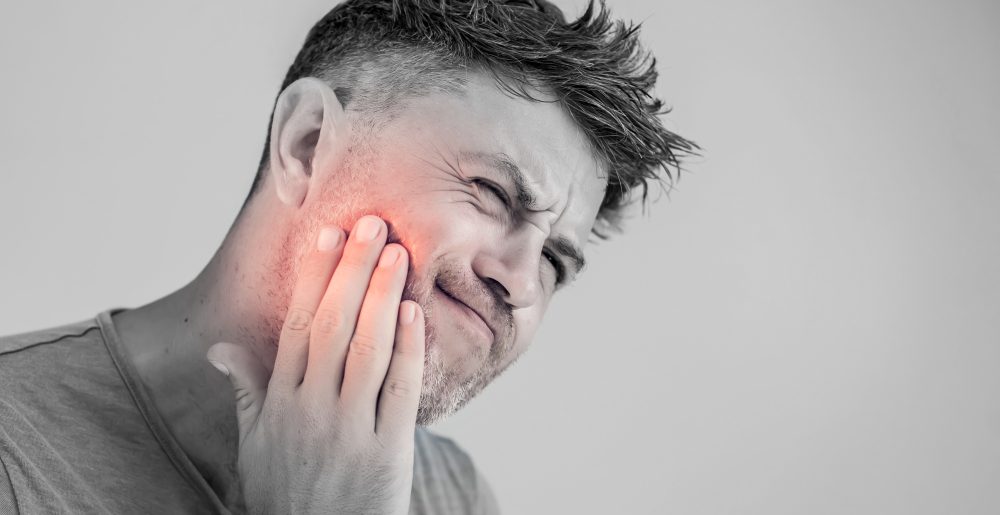
A severe toothache has a way of taking over everything. It often shows up late at night, keeps you awake, and refuses to settle no matter what you try. You’ve shifted pillows, sipped lukewarm water, taken pain relief, and waited for it to ease, but the pressure keeps pushing back. As our Emergency Dentist Brisbane puts it, when tooth pain reaches this point, it’s usually a sign that something deeper needs attention, not more patience.

When Is Tooth Pain a Dental Emergency?
Brisbane Dentists explain that tooth pain is more likely an emergency if you notice:
- Pain that is severe, spontaneous, or wakes you from sleep
- Pain that lingers for a long time after hot or cold
- Pain that worsens when chewing or when you release biting pressure
- Swelling around a tooth, gum, jaw, or face
- A bad taste in the mouth or visible pus
- Fever, feeling generally unwell, or increasing facial swelling

Severe Symptoms That Need Hospital Care, Not Just a Dentist
Some dental infections can affect the airway or spread quickly. These are medical emergencies.
Go to a hospital emergency department or call emergency services if you have:
- Difficulty breathing or swallowing
- Rapidly spreading facial or neck swelling
- Trouble opening your mouth (trismus)
- Fever with facial swelling or severe malaise
- Drooling, voice changes, or signs of airway compromise
These situations need immediate medical assessment.
Common Causes of Severe Toothache That Won’t Settle
Dr Soha Sharif, our Kids Dentist, explains that when tooth pain keeps returning, worsens at night, or barely responds to pain relief, there is usually a clear reason behind it. Severe, ongoing toothache often points to a problem inside the tooth or the surrounding tissues that needs treatment.
Irreversible Pulpitis (inflamed tooth nerve)
According to Dr Ellie Nadian, irreversible pulpitis happens when the nerve inside a tooth becomes badly inflamed and cannot recover. It often causes deep, aching pain that starts on its own, lingers long after hot or cold, and feels worse when you lie down at night. Many people describe it as a constant pressure or throbbing that painkillers only dull for a short while, because the swelling is trapped inside the tooth with nowhere to go.
Common symptoms of irreversible pulpitis include:
- Persistent tooth pain that starts on its own
- Pain that lingers long after hot or cold foods or drinks
- A deep, throbbing, or pressure-like ache inside the tooth
- Pain that feels worse at night or when lying flat
- Discomfort that spreads to the jaw, ear, or nearby teeth
- Short-lived or minimal relief from standard painkillers
This pattern usually signals that the tooth nerve is inflamed beyond recovery and needs dental treatment rather than more time or medication.
Because the inflammation is trapped inside the tooth, pain relief may dull symptoms briefly, but cannot remove the pressure. Definitive treatment usually involves emergency root canal Brisbane or extraction.
Dental Abscess (infection around the tooth or gums)
Our Brisbane paediatric dentist explains that a dental abscess is an infection that builds up when bacteria get trapped around the root of a tooth or deep under the gums. Pressure increases as pus forms, which is why the pain often feels intense and hard to ignore. It may start as a dull ache and shift into a throbbing pain that worsens when you bite, touch the area, or lie down.
Symptoms that may point to a dental abscess include:
- A constant, throbbing toothache that doesn’t ease
- Swelling of the gum, face, or jaw near the sore tooth
- Pain when chewing or pressing on the tooth
- A bad taste in the mouth or fluid that looks like pus
- Tender, warm gum tissue around the tooth
- Feeling unwell, sometimes with fever in more advanced cases
An abscess usually won’t settle on its own. Pain relief may take the edge off, but the infection remains until the tooth or gum is treated directly.
Important to know: Antibiotics alone cannot typically resolve an abscess. Dental treatment, such as drainage, root canal treatment, or extraction, is usually required. Antibiotics are typically used when there are signs of spreading infection or systemic illness.
Cracked Tooth Syndrome
Cracked tooth syndrome occurs when a tooth has a fine crack that is often too small to see but deep enough to irritate the nerve inside. The tooth may look normal, yet sharp pain appears when you bite down or when you release your bite. Many people describe it as a sudden, sharp pain that comes and goes, which is why it can be confusing and hard to pinpoint.
Symptoms that may point to a cracked tooth include:
- Sharp pain when biting or chewing
- Pain that flares when you release pressure after a bite
- Discomfort that comes and goes rather than staying constant
- Sensitivity to cold that settles quickly
- A feeling that something is “not right” when you chew, even without visible damage
Cracked teeth rarely heal on their own. Without treatment, the crack can worsen and lead to deeper pain or infection. Cracks can be difficult to detect without specific tests, which is why this condition often causes ongoing pain before a diagnosis is made.
Pericoronitis (infection around a partially erupted wisdom tooth)
Pericoronitis happens when a wisdom tooth only comes through partway, and a flap of gum stays over it, says Dr Roya Moulavi, a dentist in South Perth. Food and bacteria collect under that flap, and the area becomes inflamed or infected. The pain often starts near the back of the mouth and can spread to the jaw, ear, or throat, making it hard to ignore.
Symptoms that may point to pericoronitis include:
- Pain and swelling around a partially erupted wisdom tooth
- Red, tender gum tissue at the back of the mouth
- Pain when chewing or opening wide
- A bad taste or discharge from the gum
- Jaw stiffness or difficulty opening the mouth in more severe cases
Pericoronitis often flares up again if left untreated. The discomfort may settle briefly, then return with more swelling and pain. Treatment depends on how often the problem returns and how the tooth is positioned. In some cases, cleaning and local care are enough to settle the infection. In others, wisdom tooth extraction may be recommended to prevent repeat flare-ups.
Sinus-related Pain (less common, but possible)
Sinus-related tooth pain happens when the sinuses above the upper teeth become inflamed and press on the tooth roots below. The teeth themselves are often healthy, but the pressure can feel like a deep toothache, especially in the back upper teeth. This type of pain can be confusing because it feels dental, even though the source is higher up.
Symptoms that may point to sinus-related tooth pain include:
- Dull, aching pain in several upper back teeth at once
- Facial pressure or fullness around the cheeks or under the eyes
- Nasal congestion or a blocked nose
- Pain that worsens when bending forward or lying down
- Tenderness when pressing over the cheekbones, rather than a single tooth
Sinus-related pain usually changes as sinus symptoms improve. A dental check is still important to rule out a true tooth problem before assuming the pain is coming from the sinuses.

Why Paracetamol and Ibuprofen Aren’t Helping
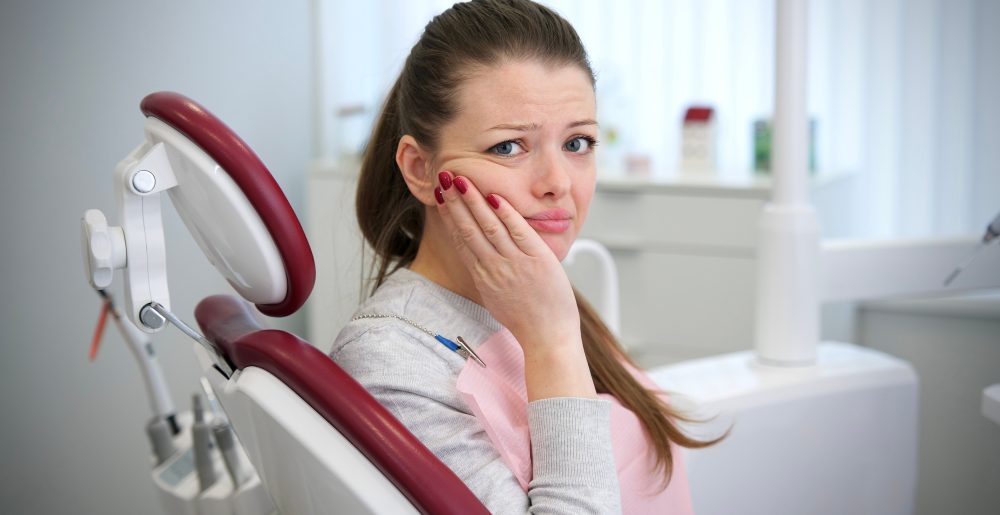
Paracetamol and ibuprofen can reduce pain and inflammation, but they do not remove the source of a severe toothache. When pain keeps breaking through, it usually means there is pressure, infection, or nerve damage inside the tooth or surrounding bone. The medication may dull the ache for a short time, but the problem remains, which is why the pain returns or never fully settles.
What Your Emergency Dentist Actually Does
When you come in with severe tooth pain, our emergency dentist starts by identifying the exact tooth causing the problem and checking the surrounding gums and bone for signs of infection or pressure.
A typical emergency assessment may include:
- Checking how the tooth nerve responds to cold
- Tapping and pressing on teeth to locate inflammation around the root
- Looking closely for swelling, infection, cracks, or gum problems
- Taking dental X-rays to assess deep decay, infection, bone changes, or wisdom teeth
Once our dentist identifies the cause, they focus on treatment that relieves the pain and stops the problem from getting worse.
Treatment on the day may involve:
- Starting root canal treatment, or completing a pain-relieving first stage
- Draining an abscess if one is present
- Removing a tooth if it cannot be predictably saved
- Giving advice on pain relief that is safe for your medical history
- Prescribing antibiotics only when needed, such as with spreading infection or systemic symptoms


What You Can Do While Organising Urgent Care
While you’re getting an emergency appointment organised, these steps can help settle things a little and avoid making the pain worse.
- Stop chewing on that side. Choose soft foods and keep bites small.
- Keep the area clean. Brush gently. If it’s sore, rinse with warm salt water (½ teaspoon of salt in a cup of warm water).
- Use cold on the outside if there’s swelling. Hold a cold pack on the cheek for 10–15 minutes at a time.
- Keep your head up. Use an extra pillow and avoid lying flat if night pain spikes.
- Take pain relief as directed on the packet. If you have medical conditions, are pregnant, or take blood thinners, check with a pharmacist first.
- Avoid “home hacks.” Don’t place aspirin, alcohol, or essential oils on the gum or tooth. They can burn the tissue and worsen the pain.
- If a tooth is broken, protect it. Avoid hard foods and keep the area clean until you’re assessed.
- If you have swelling plus fever or feel very unwell, don’t wait. Seek urgent medical help.
Frequently Asked Questions
Do I always need antibiotics for a toothache?
No. Many causes of severe dental pain are best treated with dental procedures rather than antibiotics. Antibiotics are generally used when there are signs of spreading infection or systemic illness.
Why is my toothache worse at night?
Lying flat can increase blood flow and pressure inside an inflamed tooth, making pain feel more intense.
Can a cracked tooth hurt badly without a visible break?
Yes. Many cracks are microscopic and cause sharp pain on biting or release without obvious damage.
Dealing With Dental Anxiety? We Offer Sedation Dentistry!
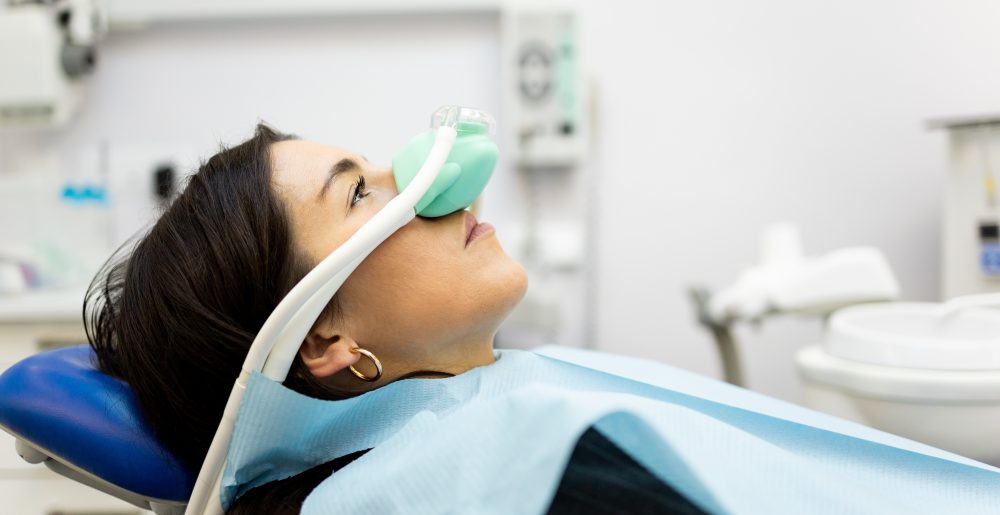
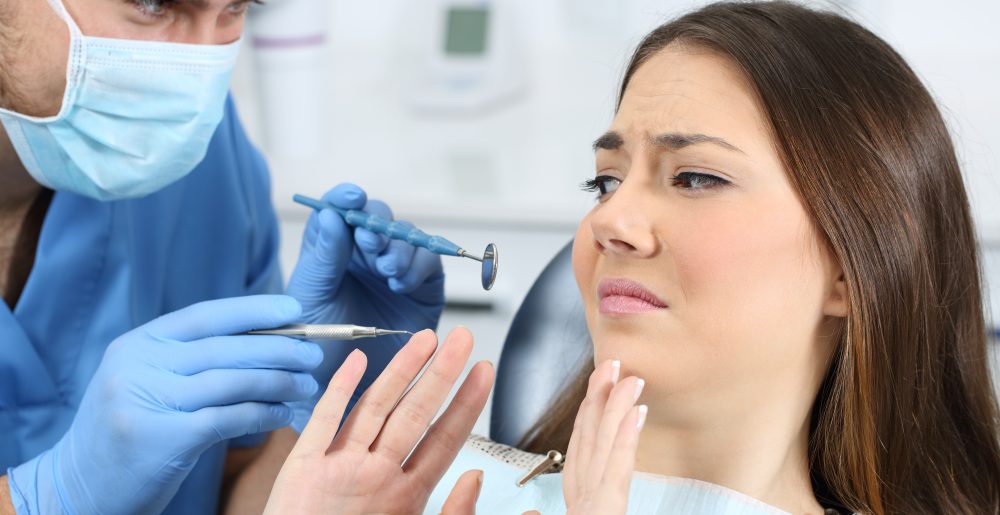
For some people, severe tooth pain is made harder by anxiety about dental treatment itself. In these situations, options like laughing gas can help take the edge off and make care more manageable. For patients who need deeper support, treatment may also be available through Sleep Dentistry in Brisbane, where dental care is carried out under general anaesthesia.
As shared by Brisbane Dental Sleep Clinic, options like happy gas and Sleep Dentistry Brisbane may make dental procedures possible when fear or distress would otherwise stand in the way.
Medical Disclaimer
This article is intended for general information only and does not replace professional dental or medical advice. Tooth pain can have many causes, and symptoms may vary from person to person. A proper diagnosis and treatment plan can only be made after an in-person assessment by a qualified dentist or medical professional.